What if you knew the exact moment you were going to die? Not in a vague, philosophical sense, but with absolute clarity, a fixed date and time quietly waiting for you somewhere in the future.
It’s the kind of idea that sounds strangely comforting at first, as if certainty might offer some control over the uncontrollable. But the longer you sit with it, the more unsettling it becomes, because knowing the ending does not necessarily tell you how to live the middle. In fact, it might do the opposite. It might make every moment feel heavier, more measured, as if life has turned into something you are constantly trying to get right before the clock runs out.
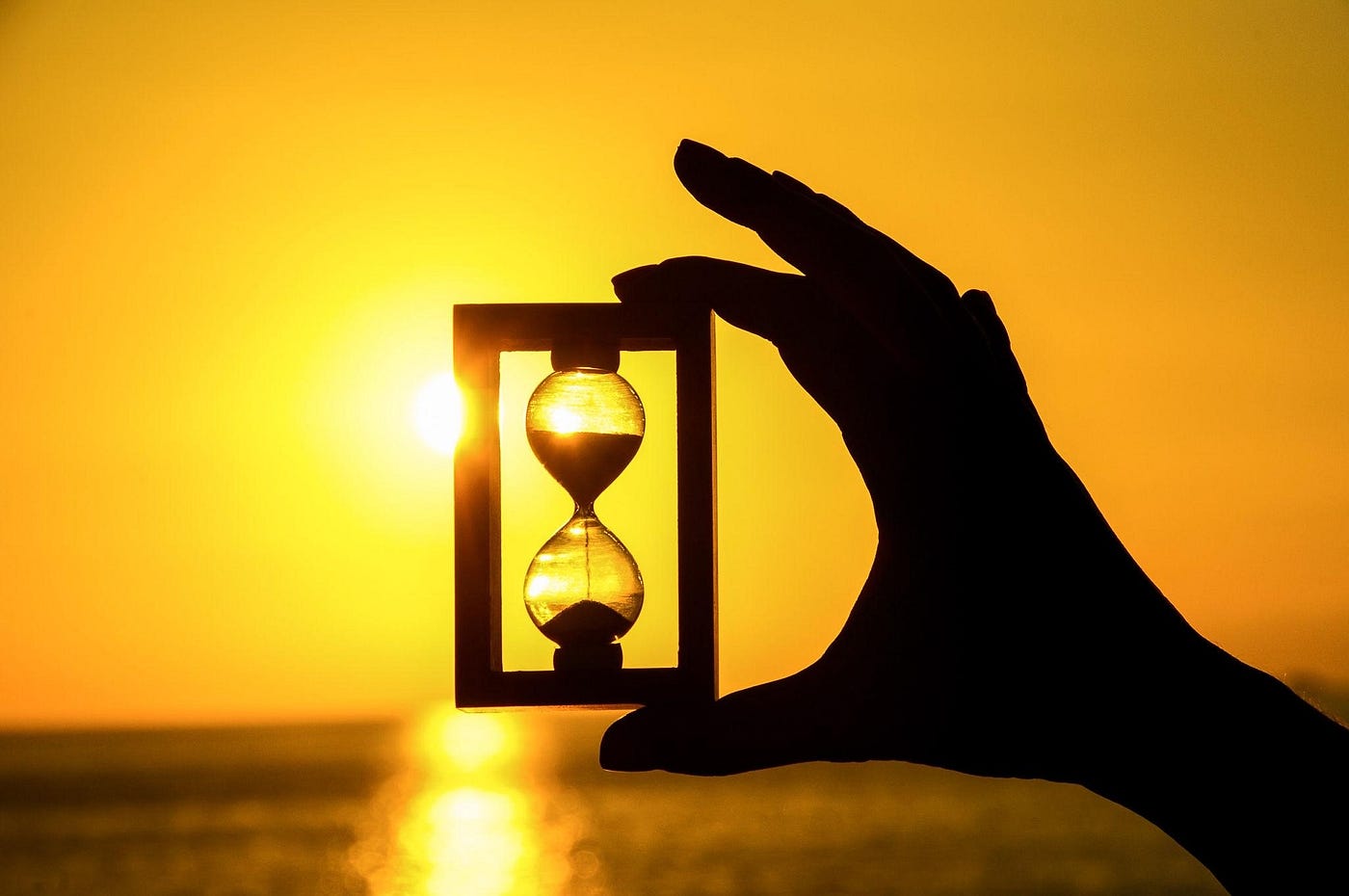
There is a verse in the Quran that says, “And of everything We have created pairs.” It’s a simple statement, but one that carries a quiet kind of balance within it. Night and day, joy and grief, beginnings and endings… Life and death are not separate forces pulling us in different directions, but parts of the same design, existing in relation to one another.
And yet, we rarely think of them that way. Life is something we lean into, celebrate, and build around. Death is something we keep at a distance, something we speak about carefully, if at all. We treat one as light and the other as shadow, even though neither can exist without the other.
Perhaps this is simply human nature. We are far more comfortable with what we can understand, what we can touch and shape. Life feels like something we can participate in, while death feels like something that happens to us, something that takes rather than gives. But maybe that discomfort comes from misunderstanding the relationship between the two. Maybe life only feels as precious as it does because it is not permanent. After all, it is quietly framed by something that will eventually bring it to an end.
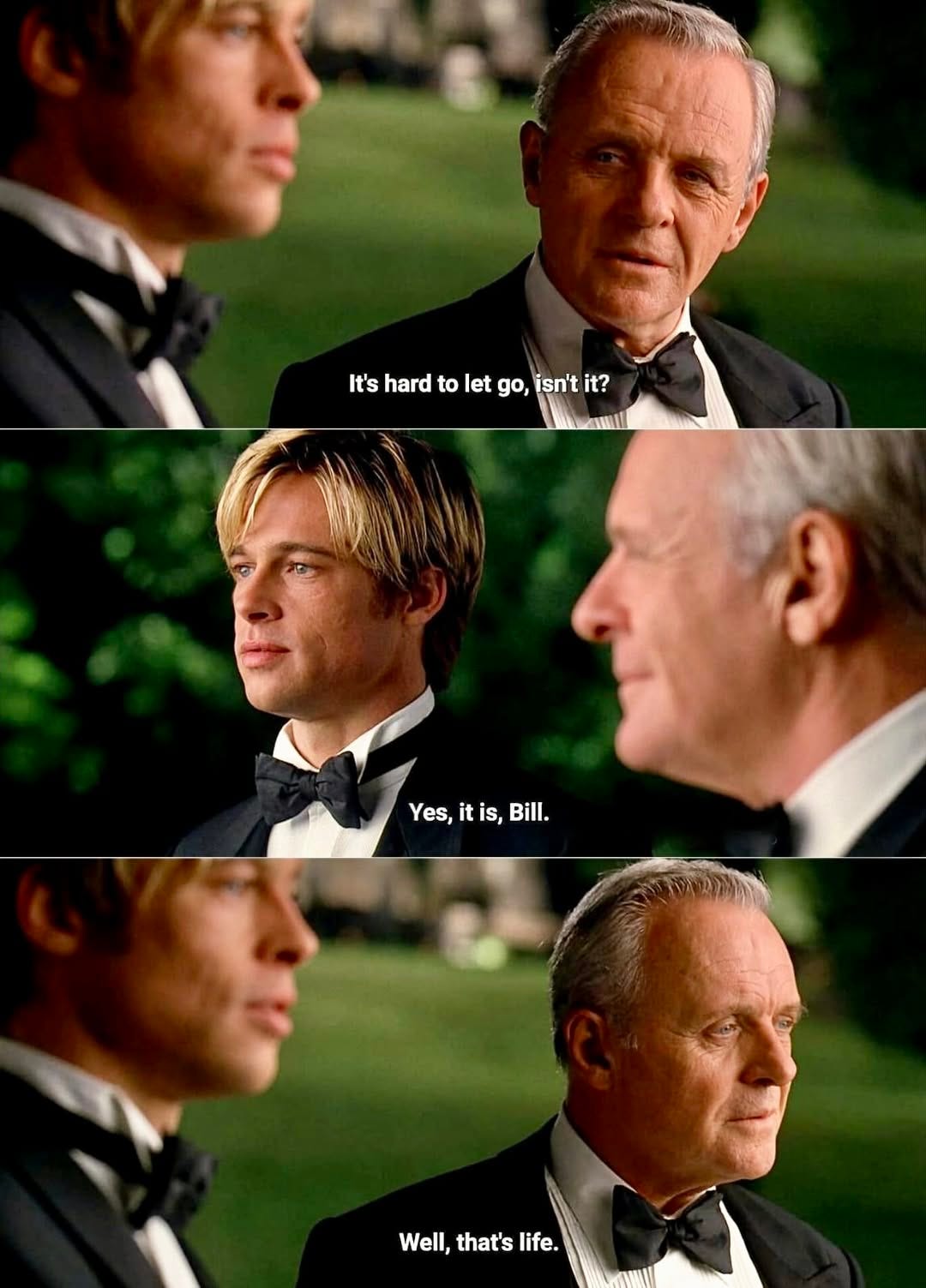
There is a moment at the end of Meet Joe Black where Bill Parrish says, “It’s hard to let go, isn’t it? That’s life.” It’s not a grand statement, but it lingers because it feels true in a way that is difficult to argue with. Life is not just about holding on; it is also about learning, slowly and reluctantly, that everything we hold will one day have to be released. And still, while we are in it, we rarely feel that urgency. Life does not announce itself as fleeting while it is happening. It moves quietly, almost politely, slipping through days and routines, through conversations and small distractions, until suddenly we look back and realise how much has passed without us noticing.
That is perhaps the most curious thing about time. It does not rush in the way we expect it to. It does not always feel dramatic or intense. Instead, it accumulates in small, ordinary moments that seem insignificant at the time but, when gathered together, become years.
You wake up, you go about your day, you postpone certain things for later, assuming there will always be more time. And then, without warning, you find yourself asking a question that feels both familiar and unsettling: where did it all go?
So what would change if you knew the answer in advance? If you knew exactly how much time you had left, would you begin to live differently, or would you simply become more aware of what you are losing as each day passes?
It is easy to imagine that such knowledge would transform you, that you would suddenly become more courageous, more honest, more willing to pursue the things you truly care about. You might think you would forgive more quickly, speak more openly, and stop hiding parts of yourself to fit expectations that were never entirely yours to begin with.
But people are rarely as decisive as they imagine themselves to be. Even with certainty, hesitation has a way of lingering. You might still overthink, still delay, still wait for a better moment, even when you know that moment is not guaranteed.
Knowing the ending does not remove doubt; it simply places it under a brighter light. The question is not whether you know when your life will end, but whether you are willing to live fully before it does.
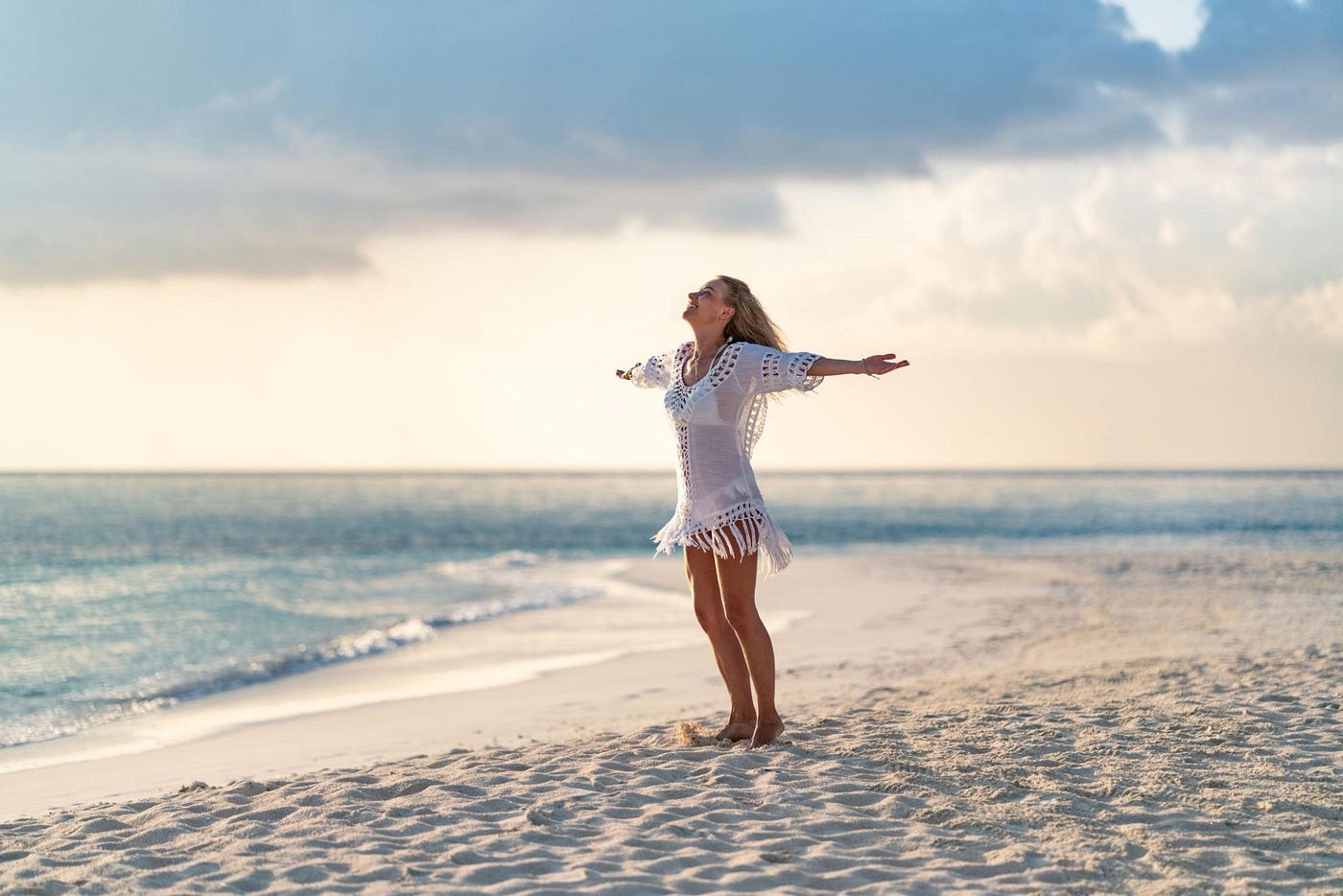
This is where the idea of carpe diem in life begins to feel less like a slogan and more like a quiet challenge. To seize the day is often imagined as bold and dramatic, but in reality, it is usually much smaller. It is choosing honesty over convenience, presence over distraction, courage over comfort. It is deciding, in ordinary moments, to show up as yourself rather than the version of yourself that feels safer or more acceptable. These choices rarely look impressive from the outside, but they shape the experience of a life in ways that are difficult to measure.
And then there is death, which neither asks for permission nor waits for readiness. It arrives when it arrives, taking with it not only a person, but everything that could have been shared with them.
For those who are left behind, it creates a space filled with unfinished conversations, unspoken thoughts, and moments that will never quite exist in the way they once might have. It is this finality that makes death feel so heavy, so absolute, because it reminds us of how much of life is built on the assumption of more time.
It is no surprise, then, that the idea of knowing when death will come can feel like a kind of relief. If you could see it, perhaps you could prepare for it, shape your life around it, make peace with it in advance. But something is misleading in that belief. Knowing when something will end does not necessarily make it easier to accept. In some ways, it might make it harder, turning life into a quiet countdown, where each moment is measured not for what it is, but for how little of it remains.
And yet, even in that imagined certainty, one thing does not change. You would still have to decide how to live. You would still have to navigate the same questions about what matters, what is worth your time, what you are willing to risk, and what you are not. There is no universal answer to these questions, no clear definition of what a “right” life looks like. Values shift, perspectives change, and what feels meaningful to one person may feel irrelevant to another. But beneath all of that, there is something that remains constant.
Your life, in the end, is shaped by the choices you make and the things you allow yourself to feel, say, and pursue. When everything else falls away, it is not the external expectations that stay with you, but the internal ones. The moments where you spoke honestly, or chose silence. The times you acted with courage, or stepped back out of fear. These are the things that quietly define the experience of being alive, even if they do not always seem significant at the time.
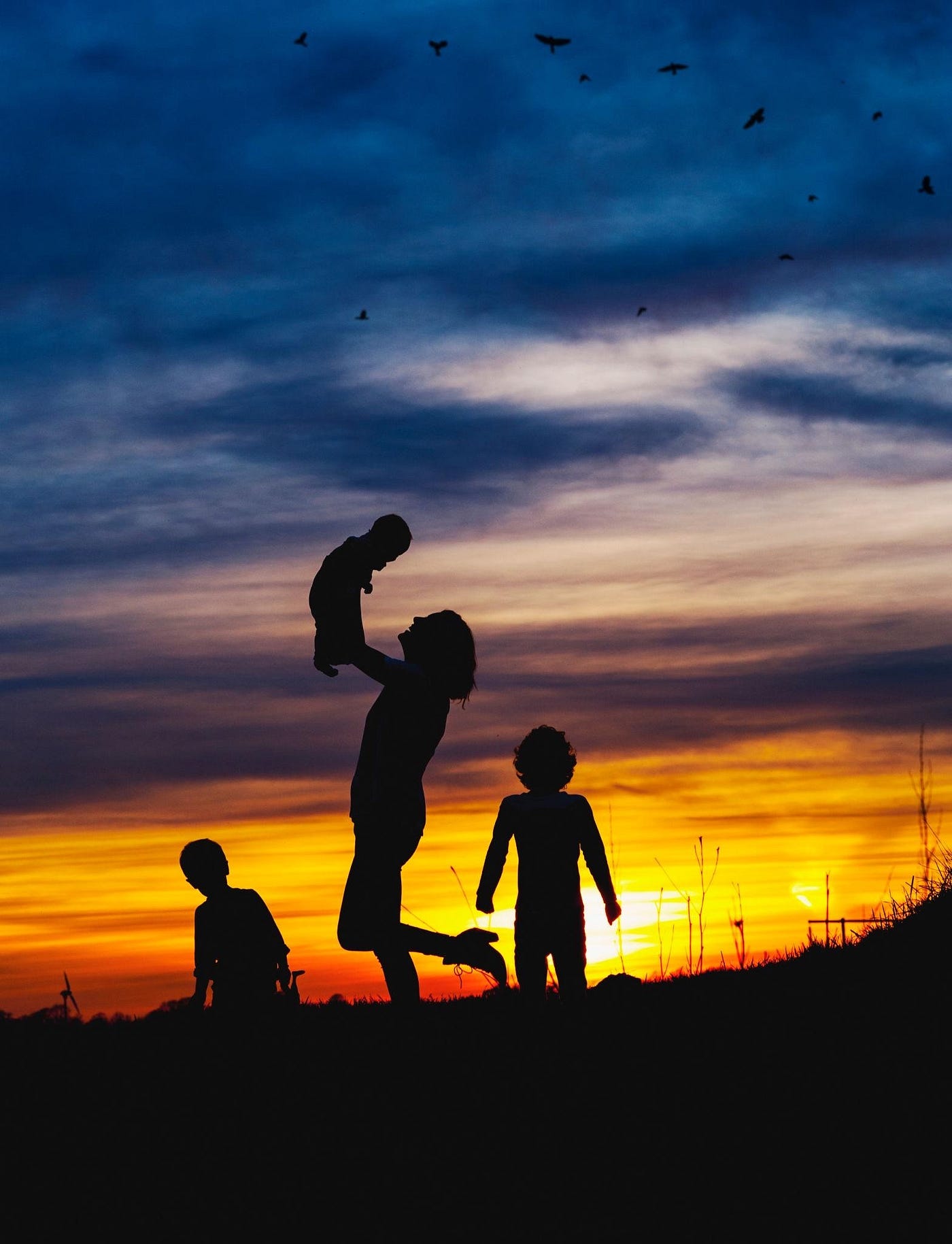
So perhaps the real question is not about death at all. Perhaps it is about whether you are truly living in the time you have been given, whether you are present enough to notice your own life as it unfolds, rather than only recognising it in hindsight. Whether or not you know when it will end, the truth remains unchanged.
Your time is limited.
And the strange, uncomfortable twist is this: You have always been living with an ending.
You just don’t get to see it.