From ancient peace treaties to a six-year-old’s information black market, the deal has always been everything.
I witnessed a black-market information exchange at my local park last week.
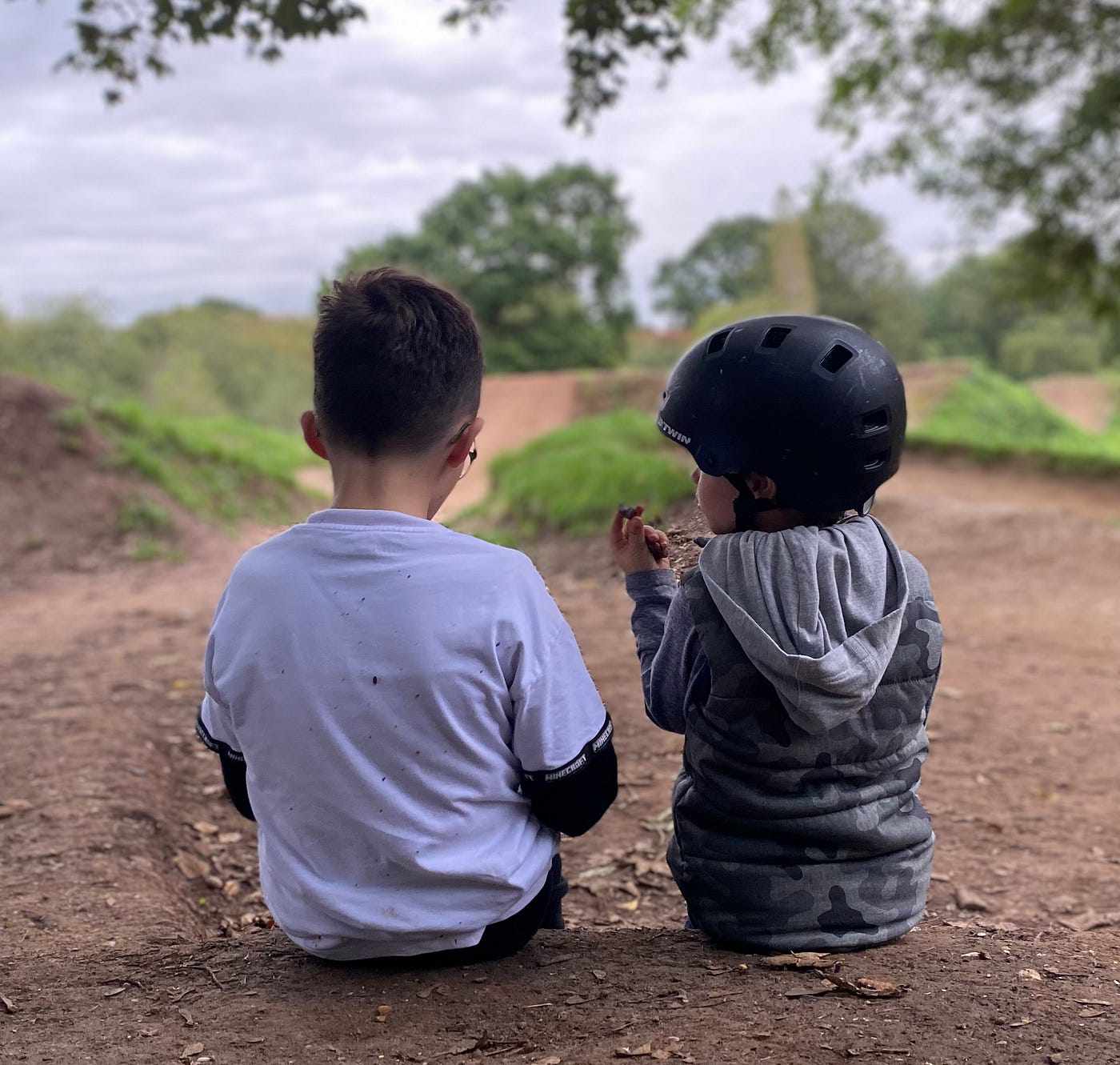
The younger party was offering assets. The older party controlled the intelligence. Neither side was willing to compromise. As the situation threatened to escalate into open conflict, I stepped in as mediator.
The dispute centred around a piece of paper containing secret information known only to my eldest son. My youngest desperately wanted access to it. Negotiations had stalled. Trust had broken down. The atmosphere was tense.
To be clear, my children are six and eleven. Yet watching them, I realised something interesting. Negotiation is not something we learn in business school. We arrive in this world already trying to do it.
Think about it. A baby crying at two in the morning is not having a breakdown, it is making a demand. A toddler offering you a half-eaten biscuit in exchange for screen time is running a leverage play. We are born negotiators, and then somewhere along the way, we get polite, and we forget everything we once knew instinctively.
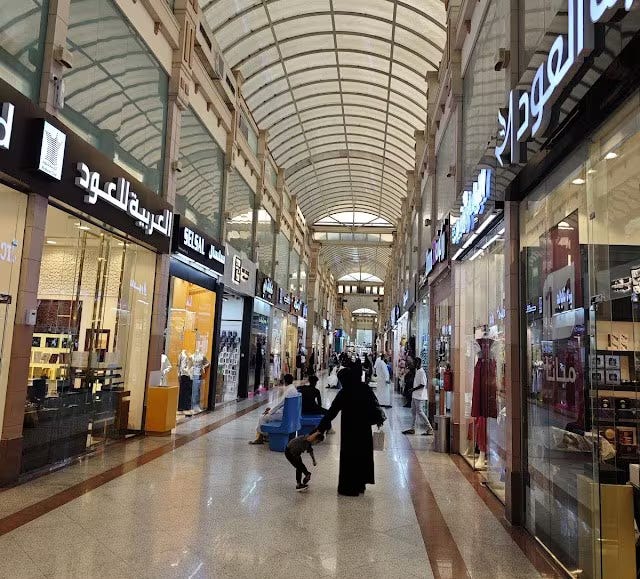
My mother never forgot. I can still picture her at Al-Bawadi, one of Jeddah’s oldest markets, moving through the stalls with the calm, unhurried energy of someone who already knows how this ends. She would state a price with such quiet authority that the seller would visibly reconsider his entire afternoon. The secret, I understood watching her, was not just in the offer. It was in the face. She had the expression of a surgeon halfway through a complicated operation: focused, unreadable, and completely unmoved by the emotional weather in the room. There was no please, no hesitation, no flicker of “I quite like this and might pay more” written anywhere around her eyes. Without that face, you look soft. Looking soft means you are going home having paid full price, and also somehow feeling grateful about it.
The sellers would cave. Not always immediately, but eventually, because they knew what she knew: the next shop along sold the exact same thing for the exact same price she was offering, and she was absolutely prepared to go there. Willingness to walk away is not a bluff you perform. It is a position you actually hold, and people can tell the difference from across a market stall.
This is where culture becomes everything, because negotiation does not look the same everywhere you go, and assuming it does is how you end up accidentally insulting someone in Marrakech or standing in awkward silence in a Stockholm department store wondering why no one will engage with your perfectly reasonable counteroffer.
In many Middle Eastern and North African markets, negotiation is not transactional, it is social. It is theatre, and theatre requires an audience, warmth, the offer of tea, and at least three rounds of polite refusal before anything real happens. To rush it is to insult the other person. To accept the first price is even worse, because it suggests you either do not respect the game, or you have so much money that the amount is meaningless to you. Neither is a compliment. In parts of South Asia, the same principle applies, layered further with relationship and reputation. The price you get is often connected to whether the seller likes you, whether you come recommended, and whether you look like someone who will come back. Loyalty is currency.
Then there is Japan, where the entire concept of direct confrontation is culturally uncomfortable, and negotiation happens through patience, silence, and the reading of extremely subtle signals. A Japanese negotiator saying “that would be difficult” is not musing aloud. They are saying no. Missing that distinction has cost many a Western businessperson a deal, a relationship, and possibly their dignity. In China, negotiation is strategic and long-game: the relationship is built first, sometimes over months, and the actual terms arrive almost as an afterthought once trust has been established. Americans, famously, find this maddening.

And then there is Europe, which is a different experience entirely. A continent of tagged prices, polite queues, and a general cultural understanding that the number on the label is the number you pay, end of discussion. Asking “what are we going to do about this?” in a European boutique takes more courage than it probably should, and even when you do summon it, you are often met with a genuinely apologetic expression and the words “it is entered into the system.” At which point capitalism has completed its mission, the salesperson has been quietly converted from a human being with initiative into a very pleasant interface for a database, and the negotiation is over before it began. Somewhere in a head office, a spreadsheet nods approvingly.
There is something philosophically interesting happening there, actually. The more corporatised a market becomes, the more negotiation gets squeezed out of everyday life. Retail pricing, algorithmic wage-setting, standardised contracts, terms and conditions that run to forty pages and that no one reads but everyone agrees to: all of it is negotiation that has already happened somewhere far above your head, by people you will never meet, and the result has been handed down to you as a fait accompli. You are not a party to the agreement. You are the subject of it. That is the thing about capitalism at scale: it does not eliminate negotiation, it just moves it out of reach of the individual and hands it to lawyers and procurement teams and the kind of people who are very comfortable in rooms with whiteboards.
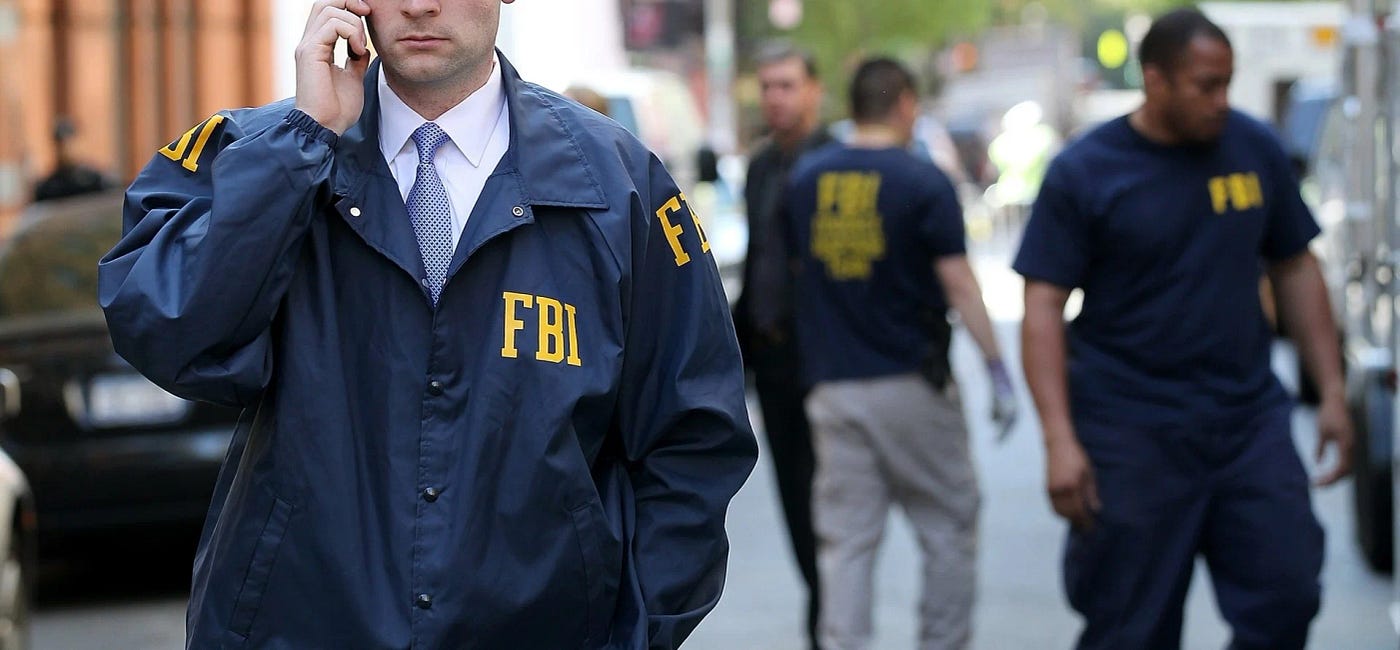
Which brings us to Chris Voss, a man who has more right than most to have opinions about negotiation, having spent years as the FBI’s lead international hostage negotiator. His central insight, laid out in his book Never Split the Difference, is essentially this: the goal of a negotiation is not to win. It is to make the other person feel heard enough that they become willing to move. Tactical empathy, he calls it, which sounds either very wise or slightly sinister depending on your mood. His techniques include mirroring, where you repeat the last few words someone said to prompt them to elaborate, and the calibrated question, where instead of saying “no” you ask “how am I supposed to do that?” and let the other person’s problem-solving instinct do the work for you. The man once talked a bank robber into surrendering by asking open-ended questions and validating feelings. If that is not an argument for emotional intelligence over brute force, I do not know what is.
He was not the first, of course. Long before hostage situations and corporate boardrooms, negotiation was the thing that kept the world from constantly being on fire. In 1259 BC, Ramesses II of Egypt and the Hittite King Hattusili III signed what historians consider the world’s oldest recorded peace treaty, after years of expensive conflict that neither side was clearly winning. The Battle of Kadesh had been inconclusive, both sides had gone home, and eventually someone with enough sense pointed out that an agreement would cost significantly less than another war. Neither party got everything they wanted. They got something they could both live with, which turned out to be worth considerably more than continuing. The treaty held. That is the whole art of it, not domination, not capitulation, something in the middle that both sides can walk away from intact.
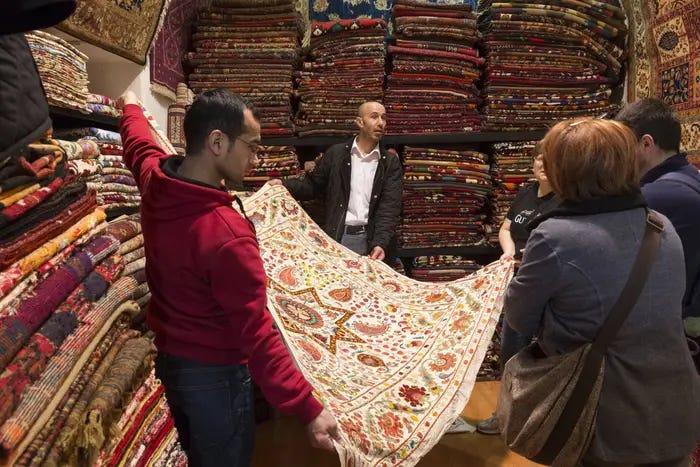
I still think about the Grand Bazaar in Istanbul, where I watched those conversations unfold like theatre. Voices climbing, figures thrown through the air like accusations, positions hardening, neither side flinching, and then at some invisible turning point that only they could feel, the deal landed. The atmosphere shifted immediately. The seller called for tea. The buyer laughed at a joke. Two minutes earlier they had been practically at each other’s throat, and now they were sitting like old friends waiting for the cups to arrive. That is negotiation with its dignity intact. Nobody lost. Nobody was humiliated. The game was played, the price was fair, and life went on warmly.
I felt the opposite of that in Brighton, not long ago. A dress on a rail, beautiful fabric, perfect fit, exactly the kind of thing that makes you stop mid-stride and think yes, that is clearly mine. The price tag had a different opinion. I offered something more reasonable. The seller apologised with genuine feeling and explained that retail pricing was entirely out of her hands. I walked out, leaving something small and real behind on that rail. How many times have women, in particular, done this? Not walking away from a lover or a difficult conversation, but from something we genuinely wanted simply because the numbers on a piece of paper had been decided by a committee we were never part of. It is its own particular kind of grief, quiet and slightly absurd, but real.
The good news is that negotiation, as a skill, is absolutely learnable. It is not a personality type. Loud and aggressive does not win. Research consistently shows that the best negotiators are the ones who ask the most questions, listen the most carefully, and make the other person feel that their position has been genuinely understood before anything shifts. The stereotype of the table-thumping deal-maker is mostly fiction. Or if it is real, it is mostly what happens in the room after the actual negotiation is over.

Which brings me back to my young hagglers, and the ending of the story, which is the best part.
My youngest eventually got the piece of paper. He traded something the older one actually wanted, executed the swap cleanly, and felt justifiably pleased with himself. Everyone was fine within four minutes. So far, so textbook. But here is where it got interesting, a little while later, he came back, he had the paper. He had won the negotiation, there was just one problem: he could not understand what the paper said.
And so he had to go back. Not for the product this time, but for the knowledge of how to use it. A second negotiation, different in kind from the first. Not an exchange of things, but an exchange of understanding. He needed his brother to explain what the words meant, what the information was worth, and how to use it. And his brother, now sitting in an entirely new position of power, charged accordingly.
I watched this and thought: that is it. That is the whole story of the modern economy in miniature. We used to negotiate for goods. Then we negotiated for services. Now we also negotiate for knowledge, for access, for know-how, for the context that makes the thing you already have actually useful. Information without interpretation is just paper. And the people who understand that distinction, who know that the second negotiation is often more important than the first, are the ones who end up sitting at the head of the table, calling for tea, while everyone else is still trying to work out what they bought.
My son is eleven. He already knows this. I am not worried about him at all.